Project Dates: 2014-2016
Funding: National Science Foundation Graduate Research Fellowship
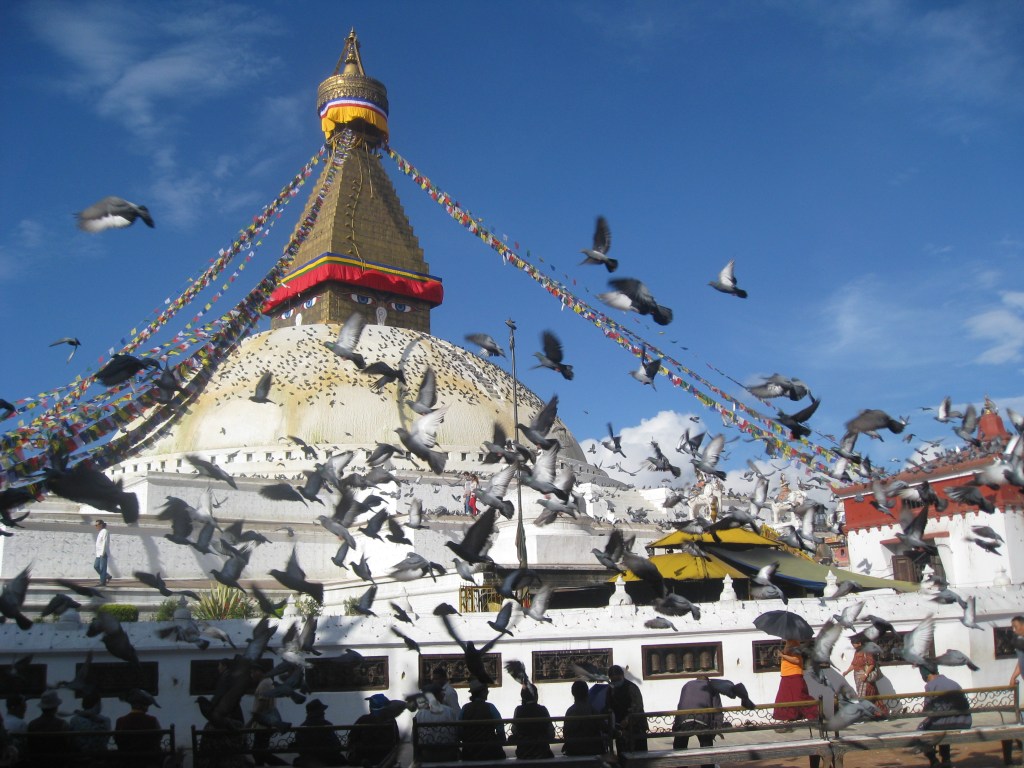
Problem: This project was motivated by significant limitations in current understandings of modern Tibetan history, especially the migration of Tibetans to India following uprisings in 1959. Given political upheaval, resulting in a general lack of materials about Tibetan migration to India and restrictions on access to existing archival materials, much of what we know about this foundational event in modern Tibetan history comes from oral histories. While oral histories offer a rich arena for holistically examining the human effects of events, translation practices complicate the transparent communication of individuals’ lived experiences. Oral histories are translated from multiple varieties of spoken Tibetan into English and other major world languages. We know little about how the process of translation shapes the resulting interpretation of oral history accounts.
Research Process: I located an important corpus of Tibetan oral histories at the Starr East Asia Library at Columbia University. With permission, I brought oral history materials to a community of Tibetans living in Kathmandu, Nepal, who had direct connections to the individuals interviewed in the oral history project. Working alongside native speakers in Kathmandu, I transcribed oral history interviews. I then analyzed both the grammatical content and form of oral history interviews. I conducted broader thematic analysis, looking at content across oral history interviews.
The integration of grammatical analysis and thematic analysis revealed how interviewers, interviewees, and translators collaborated to shape the resulting oral history. Translators used features of Tibetan grammar (called “evidentials”) to emphasize particularly leading questions from interviewers. Interviewees responded by mirroring the grammatical choices of translators. These insights demonstrate that the real-time interview process shapes the resulting oral histories.
Impacts: The idea that the social contexts of interviews shape resulting oral histories suggested new uses for oral history archives. Instead of viewing oral histories as content-based accounts of events that originate in the interviewee, this work demonstrates the need to analyze interview questions alongside interviewee responses. Results were published in Language & Communication.
 Shannon M. Ward, Ph.D.